Cracking the Education Loan Code: What Nobody Told You (But Should Have!)
Let’s be real for a second — education is expensive. Whether you’re dreaming of an Ivy League degree, a master’s in London, or even a top MBA program in Mumbai, one look at those tuition fees could make anyone’s jaw drop.
But here’s the good news: you don’t need to sell a kidney or raid your parents’ savings to chase your dream. That’s where education loans come in like your silent superhero — not flashy, but definitely life-saving.
By the way, grab a coffee because we’re diving deep into how education loans actually work, how to get the best deal, and what nobody really tells you until it’s too late.
What Is an Education Loan, Really?
Think of an education loan as an investment, not a burden. You borrow money now to fund your studies, and once you graduate and start earning, you pay it back — usually in easy monthly installments.
Most banks (and even government schemes) design education loans to cover almost every cost related to your studies: tuition fees, accommodation, travel, and even books.
In short, it’s like having a financial cushion that lets you focus on grades instead of bills.
Why You (Actually) Need One
Let’s not sugarcoat it: education abroad can cost anywhere between ₹25 to ₹80 lakhs. Even studying at a premier institute in India can run into lakhs once you add up living expenses, course materials, and exam fees.
So, why stress your family when banks are literally competing to fund your education dreams?
Here’s the thing — taking an education loan doesn’t just pay for your course; it can actually strengthen your credit score, give you tax benefits, and make you financially independent early on.
And hey, there’s nothing more satisfying than saying, “I paid for my degree myself.”
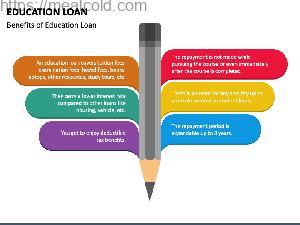
How Does an Education Loan Work?
In simple terms:
-
You apply for a loan with a bank or NBFC (non-banking financial company).
-
The lender checks your profile — academic record, course, university, etc.
-
Once approved, the loan is disbursed directly to your university or in your account as per schedule.
-
You start repayment after a moratorium period — usually during or after your course ends.
Lenders Usually Look At:
-
Your academic record and admission letter
-
The university’s reputation
-
Employability prospects after graduation
-
Your or your co-applicant’s income (parents, guardians)
Honestly, the last one is key. If your co-applicant’s income is stable, you’re halfway there.

Types of Education Loans You Should Know About
Education loans aren’t one-size-fits-all. Let’s break it down like Netflix categories — there’s something for everyone.
1. Domestic Education Loans
For students studying within India. These are typically easier to get and have simpler documentation.
2. Overseas Education Loans
For those heading abroad. Covers expenses like flight tickets, visas, and living costs in addition to tuition.
3. Secured vs. Unsecured Loans
-
Secured Loans — You offer collateral (property, FD, etc.). Interest rate? Lower.
-
Unsecured Loans — No collateral needed, but slightly higher interest rates.
By the way, don’t panic if you don’t own property. Many smart students today go for unsecured loans from NBFCs that specialize in education funding.

How Much Loan Can You Get?
This depends on the bank, course, and university. Generally:
-
Up to ₹10–15 lakhs for studies in India
-
Up to ₹40–50 lakhs or more for studies abroad
And yes, you can negotiate. Many don’t realize that interest rates aren’t always set in stone — ask for a concession, especially if you have stellar academics or admission into a top global university.
The Real Cost: Education Loan Interest Rates
Let’s be honest — this is where most people get lost.
Interest rates for education loans generally range between 8% and 14%, depending on:
-
Whether it’s a government or private lender
-
Fixed or floating rate
-
Collateral type
Here’s a sneaky pro tip: opt for floating rates. Interest might drop if market rates fall, which saves you money in the long run.
Documents You’ll Need (Yeah, the Fun Part)
Be prepared — banks love paperwork. You’ll need:
-
Admission letter from your university
-
Cost of study breakdown
-
Identity proof (Aadhaar, passport, etc.)
-
Address proof
-
Academic records
-
Income documents (salary slips, IT returns of co-applicant)
-
Collateral details (if applicable)
Keep digital copies ready. Trust me, it speeds things up like magic.
When Should You Apply?
A mistake many students make is applying too late. Ideally, start 4–6 months before your course begins.
This gives banks enough time to process your loan and issue the “sanction letter,” which most universities require before confirming your seat.
Hidden Perks Nobody Talks About
-
Tax benefits under Section 80E: You can claim deductions on interest paid.
-
Moratorium period: You get breathing space before starting repayments.
-
Co-signer flexibility: Parents can co-sign, helping you qualify for higher amounts.
-
No prepayment penalty: Pay it off early if things go well.
Tips to Ace Your Education Loan Journey
-
Compare at least 3–5 lenders before deciding.
-
Read the fine print — seriously, do it.
-
Ask if the loan covers “living expenses” or just tuition.
-
Always choose EMI options that you can realistically afford after graduation.
And remember, lenders love clarity. The more transparent and proactive you are, the faster things move.

Common Mistakes Students Make
-
Borrowing more than what’s needed (hello, interest!).
-
Ignoring the moratorium interest accumulation.
-
Not checking exchange rate implications for foreign studies.
-
Failing to keep co-applicant credit profiles healthy.
Learn from others’ mistakes — it’ll save you a ton of stress later.
Real-Life Story: How Rahul Cracked His Stanford Dream
Rahul, a middle-class student from Pune, dreamed of studying computer science at Stanford. He almost gave up when the tuition fee hit ₹60 lakhs.
His parents couldn’t afford that kind of money. But instead of quitting, he researched for weeks, compared multiple banks, and approached an NBFC specializing in overseas education loans.
He submitted all documents, used his house as collateral, and got his loan approved within 10 days. Fast forward three years — he landed a job in California and cleared his loan in just two years.
Moral? Persistence pays off — literally.

FAQs: Education Loans Simplified
1. Can I get an education loan without collateral?
Yes! Many private lenders and NBFCs offer unsecured loans, especially for top-tier university admits.
2. When does repayment start?
Usually after the moratorium period — 6 to 12 months post-graduation.
3. Is there an age limit?
Technically, no. But most applicants are between 18–35 years old.
4. What happens if I can’t repay on time?
Banks usually allow restructuring or deferment, but missed payments can affect your credit score.
5. Can I prepay my education loan early?
Absolutely. Most lenders encourage it (and some even reduce interest for early payers).

The Future of Education Loans
AI-driven risk assessment, digital onboarding, and blockchain verification are transforming how banks lend today.
In a few years, applying for a loan might be as easy as booking a flight — no paperwork, no bank visits, just approvals in minutes.
So, if you’re applying now, you’re catching the wave right when it’s getting smarter.
Final Thoughts
Getting an education loan doesn’t make you financially weak — it makes you financially smart. It’s the bridge between your dream university and your reality.
Yes, the process is long, and the paperwork annoying, but that moment you get the “approved” email? Pure joy.
Take it from someone who’s been there — education loans aren’t just money; they’re empowerment in disguise.