Loan for Credit Card Debt: My Not-So-Glamorous Ride & What You Should Know
Let’s dive in. Picture this: I’m sipping chai in Lucknow on a humid summer evening. My mind’s buzzing—not because of gossip or street snacks but because of three credit cards, each screaming my name with interest charges like a relentless Bollywood villain. I was juggling different dues, owing more than I bargained for, and feeling like I’d signed up for a lifelong paying-party. Sound familiar? If yes, you might be considering a loan for credit card debt (or debt consolidation loan) to reset your finances. Good call—but buckle up. Here’s the story, the scoop, and the questions you should ask.
What’s This “Loan for Credit Card Debt” All About?
H3 – Short Answer
A loan for credit card debt is basically a personal loan you take to pay off your high-interest credit card balances, so you end up with a single EMI (monthly installment) instead of multiple, crazy-high-interest credit card payments.
If you owe on a couple of cards and you’re tired of the interest avalanche—this might help.
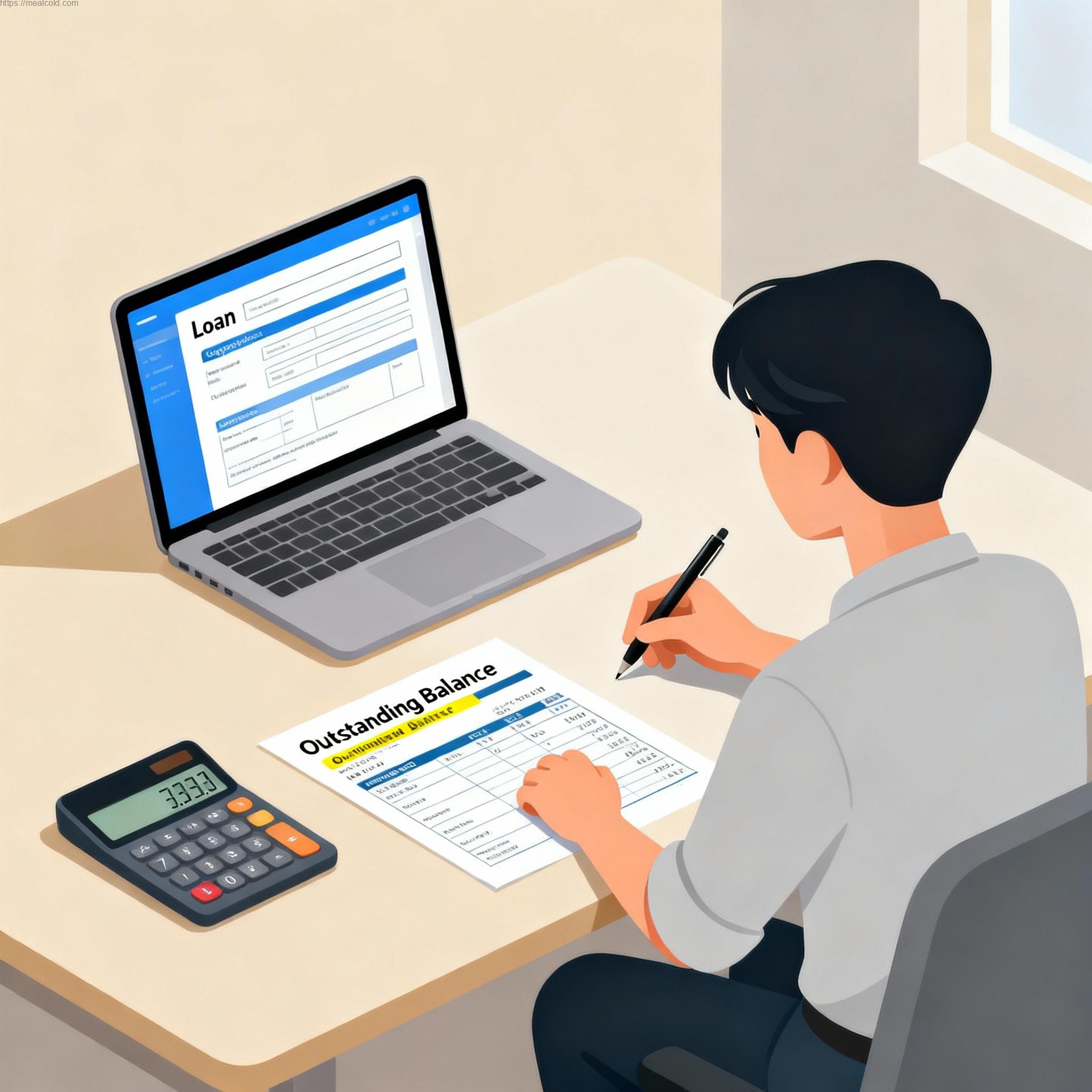
H3 – My Story
Back in college-job early days, I hit my credit card limit a little too often—dinners, gadgets, last-minute travel. I paid the minimum every month. Big mistake. The interest? It felt like a seatbelt tightening slowly. One day I asked myself: “Why am I paying ₹1,000 and only ₹200 is reducing the principal?” I got the answer: because the rest is interest.
So I peeked around and found that I could take a loan with a lower rate, pay off the cards, and focus on just one payment. It felt like replacing three mischievous monkeys with one well-trained dog. Better, right?
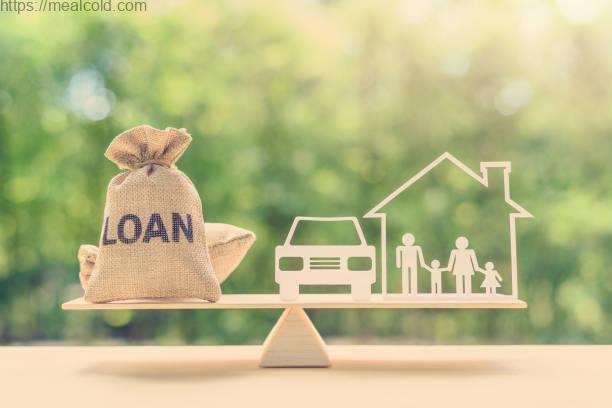
Why People Choose This Route (and Why You Should Pause Before Jumping)
H3 – Pros: The Good Bits
-
Lower interest rates: Many credit cards charge 30-40% annually (ouch). Some debt consolidation loans in India quote rates from ~9.99% per annum.
-
One EMI: Juggling multiple due dates is like herding cats; one loan = one due date = less stress. Example: IDFC FIRST Bank offers this.
-
Faster debt payoff: If you switch to a lower rate and fix a shorter tenure, you may clear the debt faster than keeping credit card balances.
-
Better credit score potential: If you reduce your credit‐card balances and maintain timely payments, your credit utilisation drops. That helps.


H3 – Cons: The Reality Check
-
You still owe money: Taking a loan doesn’t erase the debt—it just shifts it. If you’re not disciplined, you might rack up credit card balances and have the loan.
-
Interest + fees matter: Some loans look good on paper but have hidden charges or higher rates for people with weak credit.
-
Longer tenure = more total interest: If you stretch repayments too much, you might pay more total interest—even if the rate is lower.
-
Not a free pass to overspend: If you pay off the cards but then go on a shopping spree, you’ll be back (and worse). As one Reddit user put it:
“I’ve gotten a personal loan to pay off credit card debt before… It was great but I just went and racked up the credit card debt again 🙃”
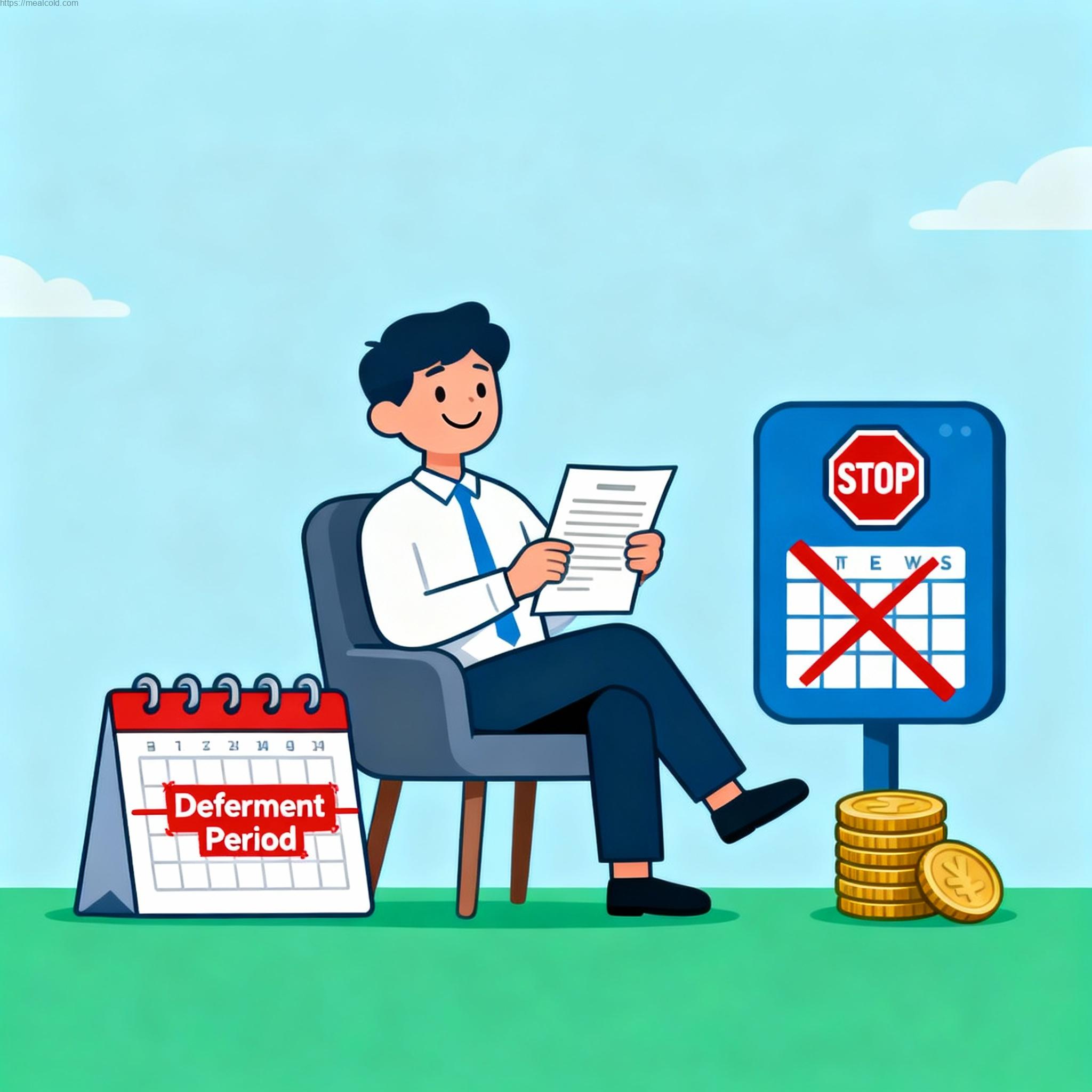
How It Works (Step–by–Step)
-
Calculate total credit card debt: Add up all the balances, pending interest, late fees.
-
Compare your current cost: What interest are you paying? What are the minimum payments doing to your principal?
-
Explore loan options: Check interest rate, tenure, processing fee, foreclosure charges. For example, one provider offers 9.99% p.a. starting rate.
-
Apply for a consolidation loan: Submit documents, approval, disbursement.
-
Use the loan to pay off your credit cards: Often you’ll have to pay them directly so you don’t keep the temptation.
-
Set a repayment plan: Decide how much you’ll pay monthly, stick to it.
-
Freeze or cancel cards (optional): So you don’t spin the wheel again.
What To Look For: A Handy Checklist
-
✅ Interest rate: Is it lower than your current credit card rate?
-
✅ Tenure: Choose something manageable—not too long that you drag it out.
-
✅ Processing fee & hidden charges: Some charge 1-2% or more. Example: Lendbox listing shows rates from 11.49% p.a. plus fees.
-
✅ Pre-closure or foreclosure charges: Can you repay early without hefty fees?
-
✅ Credit score risk: Taking a loan may change your credit utilisation or mix; check implications.
-
✅ Your spending habit: Will you use those cards again or keep them tucked away?
Real-Life Anecdotes (Because This Is Not Just Theory)
-
One user wrote:
“I have a credit card debt of 2.2 lacs and a salary of 1.5 lacs post tax… I want to avoid touching savings and take personal loan to avoid high interest on cards.”
-
Another:
“I’ve been paying minimum due for last few months… The finance charges alone are around ₹4K per card.”
These stories show the emotional weight of credit card debt: anxiety, constant payments, feeling trapped. The door out? Sometimes a consolidation loan—and sometimes a lifestyle adjustment.
Frequently Asked Questions (FAQ) — Quick Answers for Featured Snippet Potential
Q: Can I take a loan to pay credit card debt?
A: Yes. A debt‐consolidation or personal loan can be used to pay off credit card balances, converting multiple high-interest payments into one loan with a potentially lower rate.
Q: Is it better to take a loan than keep paying credit card minimums?
A: In many cases yes—because minimum payments often cover mostly interest, leaving principal unchanged. A loan with a lower rate and fixed term can help you actually reduce the principal.

Q: What interest rate is good for a debt consolidation loan in India?
A: Rates vary, but some lenders in India start around ~9.99% per annum for debt consolidation.
Q: Are there risks to taking a loan to pay credit card debt?
A: Yes. Taking a loan doesn’t fix spending habits. Also, if you stretch the tenure too long you might pay more in total interest. Hidden fees and higher than expected interest can sneak in.
Q: What if I don’t qualify for a lower-rate loan?
A: If your credit score or income is weak, the offered rate may be higher and the benefit smaller. Consider credit counselling, reducing spending, or negotiating with your credit card issuer. (And always verify you’re not falling for a consolidation scam.)
Tips for Making It Work (and Not Falling Into Another Trap)
-
Freeze the cards: Put away the temptation. If you paid them off, lock the cards or cut them.
-
Budget like your wallet depends on it: Now that you’re committed to one EMI, treat that EMI as mandatory. Build a buffer for emergencies.
-
Use a debt‐repayment method: Try the “avalanche” (highest interest first) or the “snowball” (smallest balance first) method.

-
Automate payments: Set up auto‐EMI so you don’t slip.
-
Track progress: Seeing the balance drop is motivating—like watching your favourite series reach the finale.
-
Avoid rolling into a new credit card spree: Paying off the cards doesn’t mean you’re immune to the habit that got you there.
-
Emergency fund? Yes. Because life loves to throw curve‐balls. Better you’re ready.
When It Might Not Be the Right Move
-
If the loan interest rate is higher than the credit card interest—then you’re not winning.
-
If you’re still overspending on the cards—you’ll just shift debt.
-
If the loan tenure is too long and you’ll end up paying far more interest in total.
-
If the loan adds fees or conditions that weren’t clear—transparency is key.
-
If you have such a weak income that taking another debt will squeeze you into breaking other payments.
Final Thoughts: My Honest Opinion
Honestly? If I were talking to my younger self, I’d say: Yes, a consolidation loan can be your rescue ladder—but you’ve got to climb it. It’s not magic. It doesn’t erase the past—it just gives you a cleaner route forward.
I traded my credit-card chaos for a loan that I could grasp and manage. I felt relief the day I made the first full payment and saw the balance shrink. But more than that, I changed how I used credit cards. It wasn’t just the loan—it was the mindset shift.
Think of your finances like a garden. Credit-card debt was a jungle—vines everywhere, confusing, hard to control. The consolidation loan? A gardener’s stake—it supports the plants, gives structure. But you still have to prune, water, weed. The real growth happens with your actions, not just the financial product.
Ready to Take the Leap? Here’s Your Action Plan
-
Define your total credit-card debt this month.
-
List all your current interest rates and minimum payments.
-
Contact 2-3 banks/credit institutions and get quotes for a debt-consolidation loan (interest, tenure, fees).
-
Compare: Is the loan interest significantly lower than your current card rate?
-
If yes, apply. If not, postpone and plan to reduce spending/have an emergency fund first.
-
Once you get the loan, pay off the cards, freeze them, commit to a budget—and track your freedom growing.