
The Shocking Truth About Loan Default (and How to Dodge It Like a Pro)
Let’s be honest—taking a loan feels empowering until those monthly repayments start giving you heartburn. We’ve all been there, staring at our bank balance wondering, “Where did all my money go?” And before you know it, you’ve missed a payment… then another… and suddenly, you’re hearing the term no one wants to face: loan default.
What Does “Loan Default” Actually Mean?
Simply put, loan default means you’ve failed to repay your loan according to the agreed terms. Maybe you missed several EMIs, or perhaps you just stopped paying altogether. The lender flags your account, reports it to the credit bureau, and bam—your credit score takes a nosedive faster than a dropped phone screen.
But don’t panic just yet. Defaulting doesn’t make you a bad person. It just means life happened. Job loss, medical emergencies, inflation sneaking up like a thief—stuff happens.

A Painful Lesson: My Brush With Default
I’ll never forget 2017. I’d just taken a personal loan to fund my dream—launching a small café. Things were great for six months. Then foot traffic dried up, bills piled on, and suddenly, I was skipping EMIs “just for one month.” That “one month” turned into four, and before I knew it, my credit score looked like it had gone through a shredder.
What I learned? Ignoring lender calls doesn’t make them go away; it just makes them angrier. Trust me, I tried.
So, What Really Happens When You Default?
Here’s what goes down, step by step:
-
Grace period ends: Missing a payment once or twice isn’t defaulting—yet. Lenders usually give you a small window to catch up.
-
Collection calls begin: Get ready for those “friendly reminders.”
-
Credit score damage: Every missed payment drags your score down.
-
Legal notice and repossession: For secured loans, your car or home might be next on the chopping block.
-
Long-term reputation hit: Defaults stay on your credit report for up to seven years in most cases.
By the way, ever heard someone say, “Oh, I’ll just take another loan to cover this one”? Yeah… that’s like pouring gasoline on a barbecue fire. Not recommended.
Why People Default: The Real, Messy Reasons
Let’s get real. People don’t plan to default; it happens because of:
-
Job loss or pay cuts
-
Unplanned medical expenses
-
Business failure
-
Poor budgeting
-
Overconfidence (“I’ll manage somehow”)
-
Taking too many loans at once
Honestly, it’s a mix of optimism and chaos. We underestimate expenses and overestimate our ability to juggle it all.
The Ripple Effect of a Loan Default
The pain doesn’t stop at “missed payments.” Here’s how defaulting messes with your financial life:
-
Credit score crash: Expect a 100+ point drop.
-
Loan rejections: Banks start treating you like you’re radioactive.
-
Higher interest rates: Even if you do get approved again, it’ll cost an arm and a leg.
-
Seizure of assets: Got a car or house tied to the loan? Say temporary goodbye.
-
Emotional toll: Stress, shame, sleepless nights—it’s heavy.
Default feels like your financial GPS yelling, “Recalibrating,” but you don’t know the new route yet.
How to Avoid Loan Default (Even If You’re Broke)
Okay, deep breath. You can prevent defaulting—or fix it—by following these real-world tactics:
1. Communicate With Your Lender Early
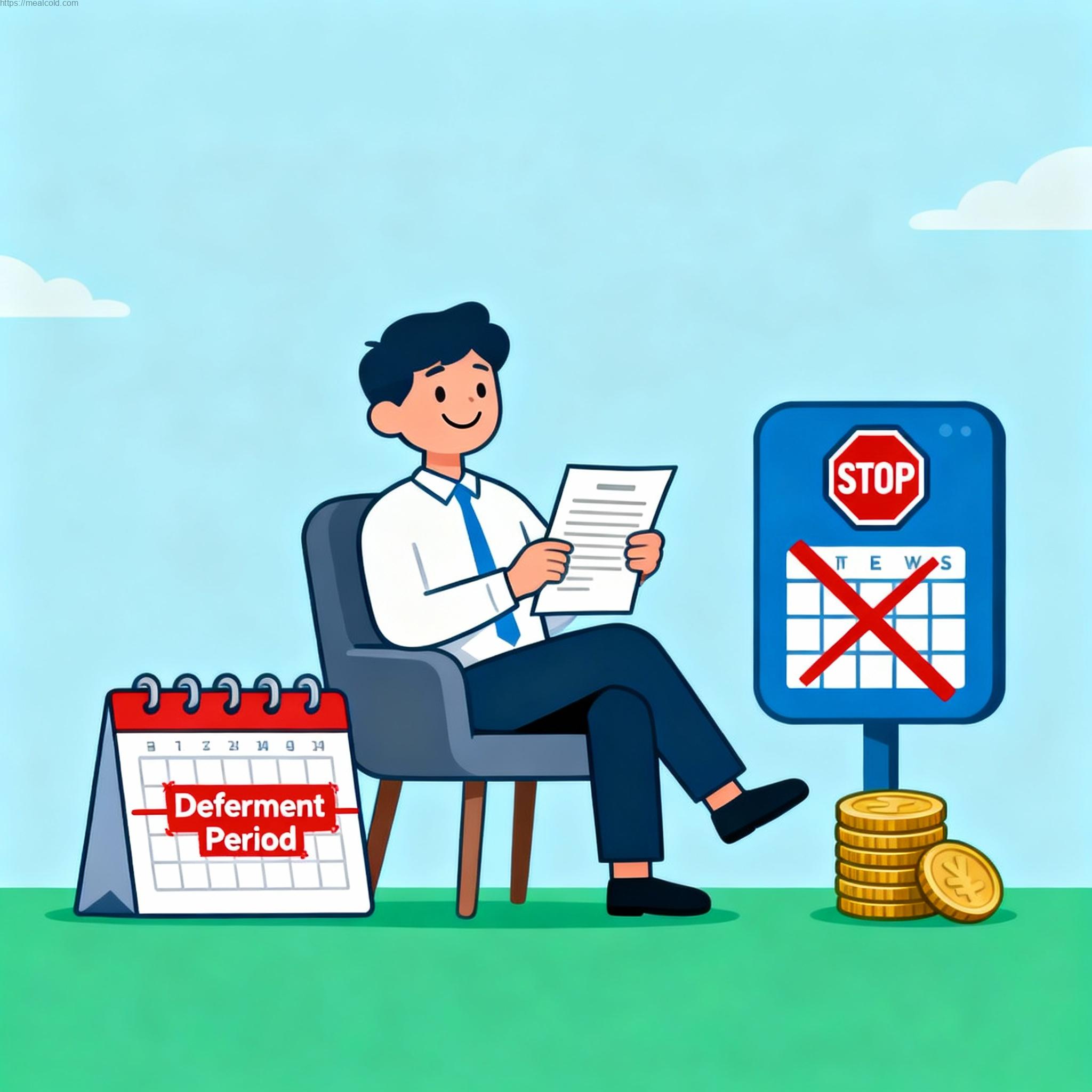
Don’t ghost your bank. Most lenders prefer negotiating over losing the money entirely. Ask for restructuring, deferment, or lower EMIs.
2. Consolidate Your Debts
Merge multiple loans into one manageable payment. It simplifies budgeting and often gets you a lower interest rate.
3. Budget Like a Hawk
Use the 50/30/20 rule—50% needs, 30% wants, 20% debt payments. Stick to it like your future depends on it (because it kinda does).

4. Cut Luxuries (Temporarily)
Skip takeout, pause subscriptions, and hold off on buying the latest phone. You’ll thank yourself later.
5. Build an Emergency Fund
Even $500 tucked away can stop one bad month from turning into a default nightmare.
The Psychology Behind Defaulting
This part’s underrated. Most people don’t default because of money alone—it’s mindset. Shame, denial, or fear of admitting failure keeps them from seeking help early. Think of facing your debt like going to the dentist: uncomfortable, but way better than losing your teeth.
I once met a client who waited until debt collectors were calling her mom’s phone. She said, “I thought ignoring them would buy time.” Spoiler: it didn’t. Facing the problem was her turning point.
Can You Recover From a Loan Default?
Absolutely. It’s like financial rehab—you rebuild step by step.
-
Pay what you can, even small instalments.
-
Request a settlement agreement or a loan modification.
-
Monitor your credit report regularly.
-
Rebuild with a secured credit card.
-
Keep your debt-to-income ratio low.
Remember, every payment you make now is a brick rebuilding your financial reputation. It’s slow work, but worth it.

Expert Insights: What Financial Advisors Say
According to certified financial planners, the best way to stay default-free is “proactive transparency.” Essentially, the earlier you talk, the better your options. Some advisors even suggest automating payments to avoid human forgetfulness—a culprit more dangerous than inflation.
They also warn against using credit cards to cover loan EMIs. That’s like plugging leaks with chewing gum—it’ll hold for a bit, then explode.
FAQs on Loan Default (For Quick Featured Snippet Wins)
Q: How many missed payments count as a default?
A: Usually 90 days of non-payment, but it varies by lender.
Q: Can you negotiate after defaulting?
A: Yes! Most lenders are open to settlements or restructuring if you show genuine intent.
Q: Does loan default ruin your life permanently?
A: Nope. It hurts for a few years, but with responsible habits, you can fully recover.
Q: Will paying off a default remove it completely from my credit report?
A: No, but it’ll be marked as “settled” or “paid,” which helps your credibility.
Q: Can default lead to jail time?
A: Only if it involves fraud or bounced cheques—normal loan defaults are civil, not criminal offenses.
A Final Thought: Don’t Let Default Define You
Listen, we all stumble with money. What matters is what you do next. Loan default isn’t the end—it’s just a detour. Approach it with honesty, discipline, and maybe a bit of humor to stay sane. You can rebuild your credit, your confidence, and your peace of mind.
And hey, if you’ve got your own story or a survival tip about tackling debt, drop it in the comments. Let’s make financial recovery less taboo and more real.