
Loan gap coverage—better known as GAP insurance—is that underdog, unsung hero most of us ignore…until life swerves and totals our beloved (and sometimes still pretty new) car. Let’s be real: nobody daydreams about insurance policies, but if you’ve ever panicked over a car loan statement after your ride met an untimely demise, stick around. This post unpacks the who, what, and why of loan gap coverage with personal stories, expert tips, and a dash of humor.
What Is Loan Gap Coverage?
Ever played the “What if?” game before signing those car loan papers? Here’s the gist: loan gap coverage fills the financial “gap” between your car’s actual cash value (after an accident or theft) and what you actually owe on the loan or lease. Imagine your car’s market value takes a nosedive (which it usually does the second those showroom doors swing shut). If your car is stolen or totaled and the insurance payout isn’t enough to clear your loan, gap coverage swoops in to pay the difference.
By the way, this coverage is optional—nobody twists your arm to buy it, but trust me, it’s a safety net you’ll miss if you skip it and end up underwater on your loan.
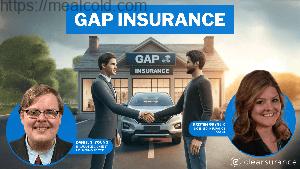
How Does GAP Insurance Work? (With Relatable Examples)
Let’s break it down with a true-to-life scenario. Picture this: John, giddy about his new sedan, puts down a modest $2K and drives off with a $38,000 loan. Six months later, thieves enjoy his ride more than he ever could. Insurance says, “Here’s $31K—the car’s market value.” John still owes $38K. Without gap insurance, he’s stuck coughing up seven grand for a car he no longer owns. Brutal, right?
Another friend of mine, Sarah, opted for a low down payment on a new SUV. Then, bam! A parking lot disaster left her with a totaled car and a $4,800 difference between the insurance payout and her loan balance. Luckily her gap coverage didn’t just cover the shortfall but even paid part of her deductible. Not exactly winning the lottery—but a relief all the same.
The key takeaway? Loan gap coverage isn’t just for the unlucky. It’s for anyone with a newish car, a long loan, or a lease.
When Is Gap Insurance a Must-Have?
Let’s play devil’s advocate: Do you really need gap insurance? Here’s when it becomes your best friend:
-
You put down less than 20% on a new car
-
Your loan stretches beyond 60 months
-
You’re leasing (many leases build it in automatically)
-
You drive a make/model known for rapid depreciation (Luxury? Electric? Ouch!)
-
You rolled over negative equity from a previous loan

If even one of these sounds familiar, gap insurance might be your ticket to not losing sleep every time you pull into a sketchy parking lot.
Gap Coverage vs. Regular Car Insurance
Hold up—don’t I already have “full coverage”?
Here’s the jaw-dropping twist: standard policies (even with collision and comprehensive coverage) only pay out your vehicle’s fair market value at the time of loss. Car values drop faster than your favorite streaming show gets canceled. If you’re upside down (owe more than the car’s worth), you pick up the slack unless you have gap insurance.
The Personal Angle: Learning the Hard Way
Honestly, nothing grabs your attention like a gut-punch from unexpected bills. A pal of mine, Kim, totaled her new car before even making her third payment. Between insurance juggling and owing the bank, she learned: what you don’t know can cost you. Her advice? Always check if your loan balance is higher than your car’s value, then ask your insurance rep how you’d pay the difference in a worst-case scenario.
Even finance junkies fall into this trap. One financial advisor told me, “You can have an airtight budget, investments to the moon, but one gap claim you weren’t ready for can blow up your plans.” Sound dramatic? Maybe…unless it’s your wallet.
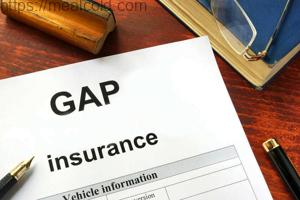
What Does Loan Gap Coverage Actually Cover?
Ready for the nitty-gritty? Here’s what you get with gap insurance:
-
Pays the difference between your car’s insurance payout and your remaining loan/lease balance
-
May cover your policy deductible, up to $1,000, depending on provider
-
Offers peace of mind—priceless if you’re a worrier or simply unlucky
-
Applies if your ride gets stolen, wrecked, burnt, or made undrivable by disasters
Pro tip: Not all gap coverage is created equal. Read the fine print to see if deductibles, fees, or certain losses are excluded.
Who Should Seriously Consider Gap Insurance?
You might want to skip gap insurance if:
-
You put down a chunky down payment and owe less than the car’s value
-
Your loan term is short (you’re building equity fast)
-
You bought a used car that’s already depreciated to near its “true value”
-
You’re financially flush enough to handle a shortfall without stress
But—before you get too sure—run the numbers. Depreciation curves can be unforgiving, and life loves a plot twist.
Perspectives: Is Gap Insurance Worth the Money?
Let’s talk cost. Gap insurance is surprisingly wallet-friendly—usually $20-$40 a year added to your policy. Dealerships will try to sell you overpriced gap policies, but independent insurers or adding it to your current coverage is usually cheaper.
Is it always worth it? For long-term loans, big-ticket cars, or low-down-payment buyers, yes. For others, maybe not. But if you’ve ever lost sleep over a mortgage, a credit card bill, or student loans—imagine wrestling a $6,000 car gap on top.
Buying Tips: Smarter Ways to Save on Gap Insurance
How do you get the best deal and coverage?
-
Shop around! Compare what dealers, banks, and auto insurers charge.
-
Check your lease agreement—gap coverage may already be included.
-
Read the details: Ask about deductible coverage, cancellation policy, and restrictions.
-
Reevaluate annually—cancel gap insurance once your loan balance is less than the car’s value.
Little known trick: some credit unions and online insurers throw in free gap coverage with the right loan package, so ask around.

Expert Insights & Common Mistakes
Here’s what the pros say:
-
“Gap coverage is peace of mind, especially when your asset can lose value overnight.” – Risk assessor, 12 years in the biz.
-
“Don’t just accept what the dealer tells you. Compare third-party options before signing a contract.” – Personal finance blogger
-
“Keep emergency funds or investments that could ‘self-insure’ if you don’t want to pay premiums, but most people don’t.” – Certified financial planner
Worst mistake? Letting your car dreams out-pace your down payment and loan term. The loan-to-value ratio is the silent killer of wallets.
FAQs: Loan Gap Coverage—Quick Answers for the Curious
1. Do I need gap insurance if I have full coverage?
Nope. Full coverage pays the car’s depreciated value. Gap fills the shortfall if your loan balance is higher.
2. Can I buy gap insurance for a used car?
Yes, especially if you financed it with a small down payment or long loan term.

3. How long should I keep gap insurance?
Just until your loan balance roughly matches or drops below your car’s value.
4. What’s usually excluded?
Wear and tear, overdue payments, or carryover balances from old loans sometimes aren’t covered.
The “Crash Course” Takeaway
Loan gap coverage isn’t just an insurance add-on—it’s your financial seatbelt against the twin wrecking balls of depreciation and unexpected accidents. By the way, if you’re reading this after buying a car, check your loan documents ASAP. You’d be amazed how many people find hidden gap coverage they never knew they had (or worse, find out too late they never bought it).
If you’ve had your own gap insurance adventure or disaster (hey, misery loves company), drop your story in the comments! What’s your take—worth it, overhyped, or a must-have for the unlucky?
Your Next Step (Yes, a CTA!)
Got questions about gap insurance? Wondering if your car or loan qualifies? Chat with your insurance provider—or heck, ask your “wise uncle” who always has something to say. And don’t forget to leave a comment below with your thoughts, stories, or curveball questions. Your experience could save someone else a world of financial heartache.
Let’s keep the conversation rolling—what’s your craziest car loss or insurance story? Ready, set, sound off!

For even more behind-the-scenes insurance scoop and the latest money-saving tips, subscribe to our newsletter. You never know when the next curveball will hit your driveway.
Keywords used naturally: loan gap coverage, gap insurance, car loan protection, auto insurance, depreciation, total loss, vehicle theft, gap claim, negative equity, lease gap, finance a car, insurance payout.