
What’s a Loan, Anyway? (The Honest, No-Fluff Guide You Actually Need)
What’s a Loan, Anyway? (The Honest, No-Fluff Guide You Actually Need)
If you’ve ever thought about buying a car, starting a business, or finally renovating that kitchen your mom keeps judging you for—chances are, you’ve considered getting a loan. But what exactly is a loan? Is it just “borrowing money”? Or is there more to the story?
Let’s take a friendly deep dive into the world of loans, their reality in day-to-day life, and how you can actually make them work for you—without losing your sanity (or your savings).
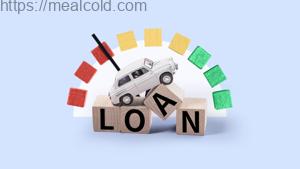
What Is a Loan? (In Plain English)
A loan is basically borrowed money you agree to pay back—typically with interest—over a certain period.
Think of it like borrowing your friend’s car, except instead of returning it with a full tank, you return it a little extra—because that “extra” is how the lender makes money.
Banks, credit unions, government programs, or even online lenders can be your source. But no matter how fancy the terms sound, it all boils down to: “I’ll give you this now if you promise to return it—and a bit more later.”
The Human Side of Loans: A Personal Take
Back when I was 23, I took out my first personal loan to buy a used car. Funny part? I didn’t even fully understand the interest rate then. I just heard “easy monthly payments” and signed faster than a kid saying yes to ice cream.
Months later, I realized my car cost almost 20% more after interest. That’s when it hit me—loans aren’t free money; they’re rented money.
And that lesson? Priceless.

Why People Take Loans
Everyone’s reason is different, but here are the most common ones:
-
Buying big-ticket items – Cars, houses, or fancy gadgets you can’t pay for at once.
-
Life emergencies – Medical bills, home repairs, or unexpected situations.
-
Education or business dreams – Growing skills or funding that startup you’ve been talking about for years.
-
Debt consolidation – Merging multiple debts into a single manageable payment.
By the way, not all loans are bad news. Sometimes, the right one can open doors—literally and figuratively.
Types of Loans (Explained Without Boring You)
1. Secured Loans
These are the “trust but verify” kind. You put up something valuable (like your house or car) as security. If you miss payments, the lender can take that asset back.
Examples? Home loans, car loans, and mortgage loans.
2. Unsecured Loans
No security, just your credit score and reputation. Banks rely on your promise and a bit of calculated risk.
Personal loans and credit cards fall under this category.
3. Revolving Credit
Credit cards are the kings of revolving credit. You borrow, repay, borrow again—kind of like an open bar tab, but without the hangover.
4. Installment Loans
You borrow a fixed amount and pay it back in regular chunks over time. Think home loans or student loans—the predictable kind.

How a Loan Actually Works (Simplified)
Here’s the process from start to finish:
-
You apply. The lender checks your credit score, income, and repayment history.
-
You agree on terms. That’s where interest rates and repayment timelines come in.
-
You get the money. Either in a lump sum or a revolving credit line.
-
You repay. Usually monthly, until the loan is paid in full—with interest.
The interest is where things get tricky (and expensive).
Interest Rates: The Sneaky Part No One Warns You About
Interest is basically the “rent” you pay for using someone else’s money.
Let’s say you borrow ₹100,000 at a 10% annual interest rate. That means you owe ₹110,000 if repaid after a year. Doesn’t sound like much—until that rate compounds or drags on for years.
Pro tip: Always compare APR, not just the “interest rate.” APR reflects the real cost of borrowing, including fees and extras that lenders conveniently downplay.
Fixed vs. Variable Rates: Which Makes Sense?
| Type | What It Means | When It’s Smart |
|---|---|---|
| Fixed rate | Your rate stays the same for the loan term. | Great for stability and predictable payments. |
| Variable rate | Rate fluctuates with market conditions. | Ideal when you expect rates to drop or loan is short-term. |
Honestly, if you’re a planner who hates surprises, fixed rates are your best bet. But if you enjoy a little gamble and watch market trends like a hawk, variable may reward you.
Credit Scores and Why They Matter So Much
You know that mysterious three-digit number that haunts us all? That’s your credit score. It determines whether lenders hand you money with a smile—or side-eye.
A good score (750+) means you’re low risk. Bad score? Expect higher interest or rejection.
Quick tip? Always pay bills on time, don’t max out credit cards, and check your report for errors. (You’d be surprised how often those mistakes can tank your score.)
Common Loan Mistakes (That Most People Don’t Realize)
-
Ignoring fine print (those clauses are evil disguised in small fonts).
-
Borrowing more than you need.
-
Choosing long tenures just for lower EMIs—because in the long run, you pay way more.
-
Not comparing multiple lenders.
I once compared two banks for my car loan—same amount, similar tenure—but one’s hidden processing fee made it costlier by ₹8,000. Moral of the story: always shop around.
Pros and Cons of Taking a Loan
| Pros | Cons |
|---|---|
| Helps achieve goals faster (house, car, business) | You owe money, sometimes for years |
| Builds credit history | Missed payments ruin credit score |
| Offers flexibility | Can lead to debt traps if unmanaged |
By the way, not every loan is a burden. Managed smartly, loans can act like stepping stones toward financial freedom.
How to Choose the Right Loan
Ask yourself:
-
Do I really need this loan?
-
How fast can I repay it?
-
What’s my credit score looking like?
-
Fixed or variable rate—what suits me better?
Pro tip: Use online EMI calculators before signing anything. It’s better to face the ugly math upfront than regret later.

Loan Terminology You Should Actually Know
-
Principal: The amount you borrow.
-
Interest: The lender’s profit.
-
Tenure: How long you’ll repay.
-
Collateral: The asset you pledge.
-
Default: When you stop paying (not a good idea).
Understanding these terms makes you sound like the finance expert in your friend group—and saves you from rookie mistakes.
Expert Insight: What Financial Advisors Say
Most financial planners agree—loans aren’t inherently bad. They just need to be handled wisely.
As Rajesh Patel, a leading financial advisor, puts it: “A loan can accelerate dreams, but unmanaged, it accelerates problems.”
Couldn’t have said it better myself.
The Psychology of Borrowing
It’s fascinating how borrowing makes people feel both empowered and anxious. On one hand, loans let us achieve big things. On the other, they’re a reminder of responsibility.
I once asked a friend why she avoids loans completely. Her answer? “Debt feels like a shadow I can’t shake off.”
That’s real—and relatable. But when managed with discipline, that same shadow can become a shelter.
FAQs About Loans
1. Is taking a loan a bad idea?
Not if you’ve got a solid plan to repay. Loans aren’t evil; mismanagement is.
2. What’s the easiest loan to get approved for?
Typically, personal loans or credit cards—if you have decent credit.
3. Can I pay off a loan early?
Yes! But check for prepayment penalties before doing so.
4. What’s a good credit score for loans?
Around 750+ in India or 700+ in most other countries.
Final Thoughts
At the end of the day, loans are tools. Like fire—you can cook with them or burn yourself.
Use them wisely, plan repayments carefully, and always read the fine print (yes, even that boring part). Because once you understand how loans work, you don’t just borrow money—you borrow opportunity.
By the way, I’d love to know—what was your first loan experience like? Did it go smoothly, or was it a “learn-the-hard-way” moment? Drop your story in the comments below!
Call to Action:
Ready to explore smarter borrowing? Subscribe for weekly money insights, financial tips, and relatable finance stories that skip the jargon and keep it real.
Would you like me to include an optimized meta title, meta description, and suggested keywords for better SEO ranking?